Capitalize on combined “accommodation + experiences” offers

Reservit 17 min read

Travel has changed: today, guests buy stories, not just nights. They want moments, a spa at sunrise, a workshop with a local artisan, a meaningful dinner; and they expect to be able to book all of it easily, in the same place as their room.
Travel has changed: today, guests buy stories, not just nights. They want moments, a spa at sunrise, a workshop with a local artisan, a meaningful dinner; and they expect to be able to book all of it easily, in the same place as their room. Beyond accommodation, they want to live real experiences. Yet many properties leave these sales on the table. Between siloed systems, poorly framed partnerships and fragmented booking funnels, tens of euros per booking slip away to third-party platforms every week. The result: untapped revenue potential and a weaker guest relationship.

This article explains, step by step, how to turn this opportunity into concrete revenue. You will find methods to design high-value packages, set them up technically (single cart, time-slot management, PMS integration) and market them effectively while keeping control of your image and your margin. We will also show how specialized tools like Reservit can simplify operational implementation.

Experiences & accommodation: a winning duo for modern tourism

Travel is no longer just about a room and breakfast: it is now an emotional journey. Consumers want memories, not just amenities. For tourism professionals (hotels, gîtes, campgrounds, restaurants, spas, activity providers), combining accommodation and experience is both a response to guest expectations and a powerful commercial strategy: it increases average basket size, encourages direct booking and enriches brand image. The major platforms have understood this and are investing heavily in activities; a reality that changes the rules of the game and requires properties to rethink their offer.

Booming tourist demand for activities

For several years, the share of the travel budget spent on activities has been growing significantly. Industry analyses show clear growth in the experiences market: ticket sales for activities and tours have increased and now carry significant weight in overall travel spending. At the macro level, specialized studies indicate that the experiences sector has grown notably since 2019 and that players (OTAs and activity marketplaces) are accelerating their investments to capture this demand.

The benefits of following this trend are:

  • Demand is not a passing fad: investing to structure activity offers lets you capture a growing share of an expanding market.

  • Guests are willing to pay for perceived value (authenticity, exclusivity, convenience) — not just for a basic service. Offering the activity at the time of the room booking greatly increases the likelihood of purchasing an additional option.

  • OTAs (Booking, GetYourGuide, etc.) are positioning themselves as “all-in-one” entry points: if you offer nothing, you leave the market free to capture this additional sale.

Here are a few examples of packages you can put in place:

  • “Wellness Weekend” package: room + spa access + express treatment (package at an attractive price), a good lever for increasing RevPAR on low-demand periods.
  • “Local Discovery” package: night + guided morning hike + picnic basket prepared by a local restaurant owner, which showcases the region and creates partner synergies.
  • “Family” package: room + skip-the-line tickets for a park or children’s activity, which makes the stay easier and reduces logistical friction.

Demand for experiences is solid and structured: the opportunity is real for anyone who knows how to create relevant offers and sell them at the right time. In the next section, we will look at what travellers really want; understanding these motivations will help you build services that convert.

Travellers seeking enriched, authentic stays

Travellers are now looking for stays that feed their curiosity or meet an emotional need (disconnecting, learning, connecting with locals). Three movements stand out:

  1. Authenticity — a preference for “real” experiences led by locals, artisans or passionate guides.
  2. Personalization — a desire for flexible options (choosing your activity, time and duration).
  3. Comfort & simplicity — the guest wants to book everything in one place, without juggling platforms.

These trends are transforming the buying journey: the search for experiences influences the choice of accommodation. If you offer consistent, easy-to-book activities, you become a more attractive option. The major platforms are responding by improving their experiences/attractions catalogues, proof that the market has shifted.

3 marketing actions to put in place:

  1. Product storytelling: for each activity, write a short story sheet (2–3 sentences): who is the host? What is the emotional value? What memory will the guest take away? Example: “Guided by Pierre, a local winemaker: a stroll, an explanation of the terroir, a tasting at the estate — a 1.5-hour immersion”. Storytelling increases click-through and conversion rates.

  2. Product segmentation: map at least 3 guest profiles (couples, families, solo/adventurers) and create 2 standard offers per profile (entry-level and premium). This makes targeted promotion easier (emails, landing pages).

  3. Flexibility & micro-options: offer simple upsells — e.g. gourmet breakfast, early check-in tied to a morning activity, shuttle service for the excursion — these micro-options are easy to integrate and have a high ROI.

For example, the relaunches by major players (Airbnb relaunching Experiences; Booking pushing its Attractions section) confirm that you need to align your accommodation offer with the activity ecosystem to stay visible and competitive on modern channels. Integrating these activities into your booking journey prevents guests from looking elsewhere for the “icing on the cake”.

In short: guests buy emotions and look for simplicity. Structuring your offers around these expectations not only increases conversion but also creates differentiation. In the last section, we will see how to turn this awareness into concrete financial levers: pricing structure, packaged offers and indicators to track.

A lever for differentiation and revenue for professionals

Offering combined packages is not just “nice marketing”: it is measurable. Three main financial levers:

  1. Higher average basket (ARPU) — adding an activity at the time of booking mechanically increases the average value per booking.
  2. Better direct conversion — offering an attractive package on your website helps steer bookings away from OTAs (lower commissions).
  3. Loyalty & CLTV (Customer Lifetime Value) — a memorable experience encourages return visits and recommendations, increasing guest value over the long term.

Indicators to track (to implement immediately in your reporting):

  • Attach rate = % of accommodation bookings that include ≥1 activity;
  • Room ARPU (average revenue per booking including extras);
  • Direct vs OTA booking rate for packages;
  • Repeat rate (guests who come back and book a package).

How to calculate the price of a package (operational method):

  • Calculating the base cost: identify the direct variable cost of the activity (e.g. guide cost, tickets, products consumed).
  • Target margins: set a target margin per package (e.g. 30–40% depending on cost structure).
  • A/B price testing: launch two versions (“standard” and “premium” package) with a 15–25% gap to measure elasticity.
  • Communicating value: announce the perceived saving (“–15% vs separate purchases”) or the added value (priority access, exclusivity).

Operations & distribution (technical):

  • Centralize sales through a booking engine that handles room + activities, to avoid disruptions (single payment, synchronized calendar). Dedicated solutions also enable automated cross-selling and unified reporting. (See product features & links at Reservit: package management, real-time calendar, website integration).
  • If you work with external providers, formalize contracts and terms (spots, pricing, cancellation) and create standardized product sheets for smooth insertion into the engine.

Pricing example:

  • room: €100 (variable cost €20, gross margin €80);
  • added activity (tasting): €30 (direct cost €10, margin €20);
  • package sold at €125 (discount vs separate prices of €130) → total package margin = €95 (vs €100 for the room alone). Result: average basket +25% and overall margin preserved.

Offering accommodation and experience packages is a tangible lever for increasing revenue and differentiating your property, provided you industrialize the approach (pricing, distribution, KPIs). In the rest of the article, we will get into how to do it in practice: building offers, step-by-step technical setup (in Reservit or another engine), and sales playbooks for emailing, the website and the front desk.

Setting up effective combined offers

Building high-performing combined offers requires method: guest knowledge, product design (packaging), rigorous pricing, smooth distribution and data-driven management. This section gives a concrete roadmap for turning the idea (selling accommodation and experiences) into measurable revenue, with checklists, package templates and technical settings to check in your booking engine.

Designing attractive, scalable packages (step by step)

Here are the 8 steps to follow to create packages:

  1. Segment your guests (half-day workshop)

  • Identify 3–5 personas (e.g. Weekend couples, Families, Solo adventure, Business/bleisure, Relaxing seniors).
  • For each persona, list their expectations, average budgets and constraints (e.g. late arrival, mobility needs, children).

    2. Map your resources & offers
  • Take stock of all the services available: rooms, restaurant tables, spa, guides, shuttles, partner activities.
  • Note capacity, time constraints, variable costs (guide cost, consumables) and seasons.

3. Choose 4 priority package types (MVP)

  • Wellness Getaway: night + breakfast + spa access + 30-minute treatment (target: couples).
  • Family Discovery: 2 nights + breakfast + children’s park tickets + picnic basket.
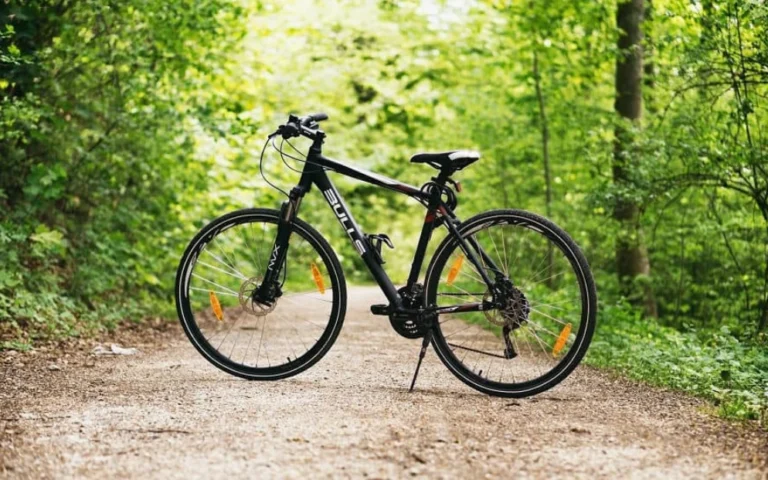
  • Local Adventure: night + mountain bike rental + half-day guided outing.
  • Business Recharge: night + coworking space + early breakfast + early check-in.

4. Pricing: method (simple and repeatable)

  • Direct cost calculation = sum of variable costs (e.g. €60 guide divided by number of participants) + share of depreciation (if equipment is involved).
  • Separate price = room + activity price.
  • Package price = separate price – psychological discount of 8–15% or separate price with added value (e.g. complimentary dinner).
  • Goal: the package must increase the average basket and remain attractive in perceived value.
  • A/B test: launch 2 variants (discount vs bonus) to measure which converts better.

    5. Write the product sheet (UX copy)
  • Short title + guest benefit (“Wellness weekend: treat yourself to 24 hours of relaxation”).
  • 3 clear bullets: duration, what is included, emotional benefit.
  • Explicit CTA (“Book this package”) + practical info (cancellation, schedules).
  • Add micro-storytelling (who leads the activity, local origin).

6. Marketing packaging

  • Dedicated package page + “other popular activity” block (cross-sell).
  • Pop-up / “add to cart” module in the booking funnel (upsell at checkout).
  • Personalized pre-check-in email (activity reminder + practical tips).

7. Internal operational process

  • Internal product sheet for the front desk and teams (what to prepare, schedules, provider contact).
  • Guest boarding procedure (voucher, meeting point, equipment checklist).

    8. KPIs to track from launch

  • Attach rate: % of room + activity bookings.
  • ARPU (revenue per booking).
  • Conversion rate of package page vs room page.
  • Post-activity satisfaction (NPS / reviews).

Trends show rising demand for activities and mobile booking. GetYourGuide recommends being online and flexible to capture these sales, proof that packaged offers are a real commercial opportunity.

Building a high-performing package means first knowing your guest, standardizing production and testing quickly. Once your offers are designed, you need to make them easy to buy: that is the role of the booking engine and technical integration.

Getting the right booking engine and integrating your systems

To sell accommodation and experiences without friction, technology is critical. Here are the essential features and how to set them up / check them.

  • Single cart & single payment: the guest must be able to select room + activity(ies) and pay in a single transaction.
  • Centralized calendar & capacity management: real-time sync to avoid overbookings (rooms, activity time slots, number of participants).
  • Inventory management & dynamic pricing: ability to lock slots, set prices by season, quotas and promo codes.
  • Vouchers / confirmations: automatic generation of a single voucher covering the whole package (useful for on-site checks).
  • PMS / Channel manager integration: if you have a PMS, the solution must push the information (booking + extras) to consolidate invoicing and the guest profile.
  • Upsell module & rules engine: display add-on suggestions at checkout and rules to trigger upsells (e.g. “+ spa access – €10 if booked 48 hours in advance”).
  • Reporting & API: reports on attach rate, ARPU, cancellation rate; and an API for data extraction if you want to centralize data.
  • Multichannel / Website widget: widget or embeddable engine on your website to favour direct sales.
  • Partner management: ability to create external provider profiles, share inventory or manage commissions.

Reservit offers a booking engine for activities and provides the ability to create customized packages and manage schedules and availability. These features make it easier to sell combined packages from your website or through a widget. Check the setup options for “customized packages”, the real-time calendar and the website integration pages.

Without a smooth technical solution, your packages will remain a dead letter; investing in an engine capable of handling rooms + activities simplifies operations and increases conversion. Next, to expand your catalogue and reduce investment costs, you need to know how to cooperate intelligently with local partners.

Collaborating with local partners and activating cross-selling

Partnering locally is often the fastest way to expand an offer without heavy capital. Here is how to structure these collaborations step by step.

1) Identifying & qualifying partners

  • Target: quality restaurant owners, local guides, water sports centres, producers, museums, transportation companies.
  • Selection criteria: quality of reviews, ability to handle volume, insurance/quality coverage (SIRET or equivalent), seasonal availability.

2) Possible business models

  • Commission on sales: you sell the partner’s service and pay them back X% (e.g. 20–30%). Advantage: centralized cash flow; disadvantage: managing payouts
  • Net rate + margin: you buy blocks (e.g. 10 spots at a negotiated rate) and resell them. Advantage: pricing control; disadvantage: risk of unsold inventory.
  • Barter/Visibility exchange: exchanging services for cross-promotion (useful at the start for small players).

3) Governance & contracts (to formalize from the start)

  • Define SLAs (punctuality, quality, cancellation policy).
  • Specify liability and insurance (who is responsible in the event of an incident).
  • Financial terms: invoicing, payment frequency, penalties.
  • Confidentiality / exclusivity clause if needed.

4) Booking & operational flow

  • Two technical options:
    A) Centralized sales: you collect payment for the booking and pay the partner (requires accounting setup + contracts).
    B) Linked booking: your engine generates a booking for the partner, who confirms or declines automatically via API / interface (more complex).

  • For the guest experience, favour centralized sales so there is a single voucher and a seamless journey. Engines like Reservit let you create provider profiles and packages (check partner management in the interface).

5) Communication & co-marketing

  • Set up co-branded visuals / pages, social media posts and cross-emailings.
  • Joint seasonal offers (e.g. Local festival: night + dinner + entertainment package).
  • Measure the impact with a dedicated partner promo code (makes tracking easier).

6) Risk and quality management

  • Coordinated cancellation policy (avoid the guest having 2 different policies).
  • Centralized after-sales process (the front desk centralizes complaints to keep things smooth).
  • Feedback loop: a short monthly meeting with partners to adjust scheduling / capacity.

For example, a hotel without a kitchen offering dinner baskets prepared by a local restaurant: you buy baskets in blocks at a negotiated rate and resell them as a package.

Local partnerships expand your experience catalogue without heavy investment, provided you have clear contracts, a validated financial model and a centralized booking management system. Once the packages are created, the tech is in place and the partners are operational, the next step will focus on the commercial launch, communication and optimization scenarios (A/B tests, seasonal offers, email automation) to maximize ROI.

The benefits of a unified booking engine for offering accommodation + activity packages

Centralizing the sale and management of room nights, meals, treatments and activities on a single platform is a complete game changer, both operationally and commercially. A unified booking engine avoids breaks in the guest experience, automates administrative tasks and makes it possible to use data to drive revenue strategies. In this section, we detail the concrete benefits for the team, for the guest and for financial performance; then we give specific actions to put in place.

Simplified management and time savings

A single system brings together all bookings (rooms, tables, treatments, excursions) in the same calendar and the same guest database. In practice, this drastically reduces manual operations: no more re-entering data between the spa schedule and the front desk, no more forgetting to transfer a guest to an external activity, and full traceability of purchases per guest file.

The gains come on three levels:

  1. Fewer human errors: real-time sync prevents double-booking, resource conflicts and oversights (e.g. booking a massage in a slot when the therapist is not available).

  2. Automation of repetitive tasks: automatic confirmations, reminders, sending vouchers, adding extras to the final invoice — all tasks delegated to the software.

  3. Closing the accounting cycle: consolidated invoicing (a single transaction / booking), which simplifies accounting and reduces cash discrepancies.

Reservit highlights real-time schedule and availability management for activities and accommodation, which illustrates these operational benefits.

In short: a unified engine frees up time and reduces errors, two necessary conditions for focusing on the guest experience. Now let’s look at how this centralization concretely improves the guest journey and commercial conversion.

Optimized guest journey and higher conversion

Today’s guests want simplicity: book their room, add a dinner, reserve a massage and pay for everything in a single flow. A unified engine offers exactly that and turns the guest experience into a conversion lever through several mechanisms:

  • Seamless journey: an integrated booking funnel lets guests add extras (upsell) at the moment they are most engaged (checkout). UX tests show that upsell offers at checkout convert significantly better than post-purchase emails.

  • Personalization: with centralized data, you can make relevant suggestions (e.g. offering a relaxing treatment to a guest who chose a “hiking” package the day before). These targeted suggestions increase the likelihood of an additional purchase.

  • Reminders & deferred sales: the period between booking and arrival is a valuable buying window — automation lets you send personalized offers (table upgrade, discounted treatment) that convert better as the date approaches.

Industry resources highlight the commercial value of selling activities + accommodation (higher average basket and better loyalty); specialized guides list activity sales as a direct lever for increasing hotel revenue. Booking and other industry players also emphasize the value of experiences in travel decisions, illustrating the commercial opportunity.

To sum up, a smooth, personalized journey increases both satisfaction and sales. But to turn this promise into a strategic decision, you need to be able to measure and manage, knowing which indicators to track and how to use data to optimize continuously.

Performance tracking and continuous optimization

The third major benefit of a unified engine is centralized data: every package sale, every upsell, every cancellation is tracked and usable. Without it, you are flying blind.

Here is how to structure tracking and improvement loops:

1/ Operational dashboard (daily / weekly)

  • Attach rate (= % of accommodation bookings including ≥1 activity).
  • ARPU (Average Revenue Per Booking).
  • Funnel conversion rate for package vs room only.
  • Cancellation rate for package vs activity only.

2/ Advanced analyses (monthly / quarterly)

  • Price elasticity: test three package price levels (e.g. separate prices, 10% discount, bonus included) to measure sensitivity.
  • Performance by channel: compare direct sales vs OTA for packages (to measure the impact of direct sales).
  • Partner ROI: calculate net margin after payouts to partners (if commission-based).

3/ Optimization loop

  • A/B test upsell messages (wording, visuals, savings highlighted).
  • Identify “friction points” (e.g. high activity cancellations caused by low satisfaction) and fix the process (better partner briefings, harmonized cancellation terms).
  • Reallocate inventory: if an activity sells too well and exceeds capacity, add time slots or negotiate more spots with the partner.

The importance of ancillary revenue and data-driven management is documented by industry players; setting up clear indicators makes it possible to industrialize growth and prioritize the actions that pay off most.

A unified booking engine delivers immediate efficiency gains, increases conversion through an optimized guest journey and provides the visibility needed to manage the business with data. At this stage, you therefore have: fewer operational errors, guests who buy experiences more easily, and clear indicators for optimizing your offers.

In 2026, selling accommodation and experiences is no longer a marketing option: it is a concrete commercial strategy that increases the average basket, strengthens loyalty and turns your property into a gateway to the destination. By centralizing sales (packaging), relying on a unified booking engine and forming relevant local partnerships, you reduce operational tasks, offer a smooth guest journey and gather the data needed to improve your offers continuously. Want to sell more than a night’s stay? Request a free Reservit demo and see in 20 minutes how to centralize your bookings, create “accommodation + activities” packages and increase your average basket without complicating your organization.

Julie
Communication Manager
In partnership with Jennifer Therond

Related reading